Source Antioxidant Anti Allergic Barbed Rivet Earrings for Gifts
Find 30 antioxidant anti allergic barbed rivet earrings from Zhejiang suppliers. Compare alloy drop styles with crystal inlays, zinc alloy materials, and various plating options for fashion and party use; compare the available evidence and request quotations based on your requirements.
Key considerations
Products List
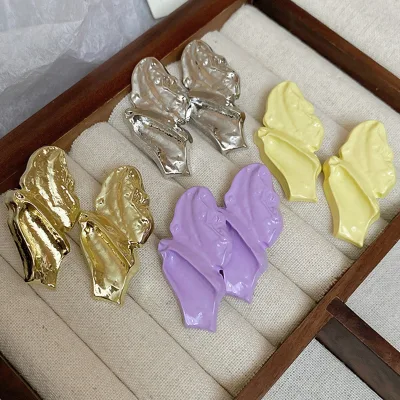
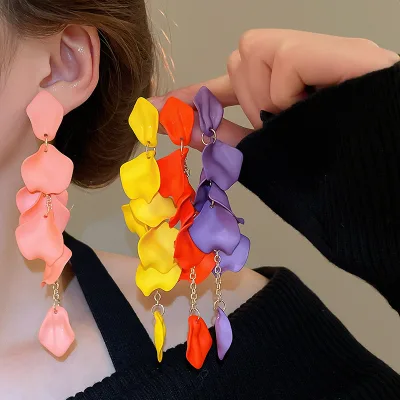
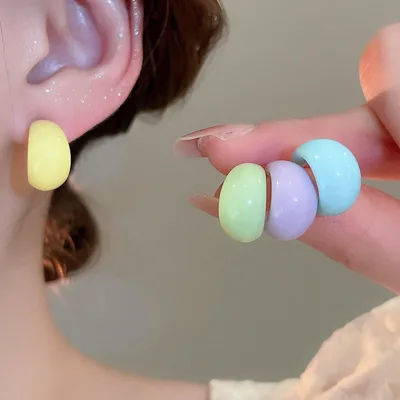
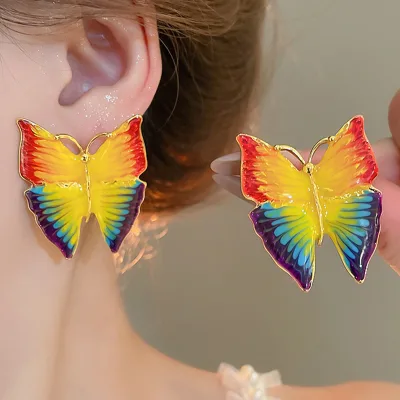




Comprehensive Sourcing Guide
Antioxidant Anti Allergic Barbed Rivet Earrings Sourcing Guide
Sourcing antioxidant and anti-allergic barbed rivet earrings requires distinguishing between fashion-forward alloy pieces and those meeting strict hypoallergenic standards. The observed product data indicates a prevalence of zinc alloy construction with various plating options, including blue zinc, platinum, and gold finishes, which serve as the primary barrier against skin irritation. Buyers must verify that the "antioxidant" claim refers to the durability of the plating layer rather than the base metal, as the core material remains an alloy susceptible to oxidation without proper surface treatment.
Procurement strategies should focus on suppliers who explicitly list "Lead Free, Nickle Free, and Cadmium Free" attributes alongside their plating specifications. While the market offers diverse styles ranging from bohemian to star fashion, the critical decision point lies in confirming that the micro-insert inlay technology and plating thickness are sufficient to prevent the release of allergens. This verification ensures that the earrings remain safe for sensitive skin during extended wear, aligning with the observed usage patterns for parties, weddings, and daily decoration.
Product Scope and Observed Listing Signals
The current market landscape for these earrings reveals a wide spectrum of design aesthetics, including geometric, antique, and simple styles, all anchored by a zinc alloy base. Listings frequently feature oval-cut crystals or rhinestones set via micro-insert technology, with plating variations such as antique copper, black gun, and 24K gold. Buyers should note that while the core keyword emphasizes "barbed rivet" functionality, the observed data highlights drop earring types and various shapes like round and geometric patterns, suggesting a need to clarify specific hardware mechanisms during the inquiry phase.
Commercial signals indicate a flexible MOQ range from 2 to 781 units, with prices observed between 0.29 and 9.58 USD, reflecting the variance in plating quality and stone complexity. The product origin is consistently identified as Zhejiang, China, with single package sizes standardized around 10x10x10 cm and weights typically near 0.062 kg. Procurement teams must navigate these signals to identify listings that genuinely offer anti-allergic properties, as the broad categorization of "fashionable styles" often masks differences in material purity and plating longevity.
Technical Specifications to Verify
Technical due diligence must prioritize the verification of plating integrity and the specific alloy composition to ensure the anti-allergic claim holds true. Buyers should request detailed specifications on the thickness of the plating layers, particularly for gold, rhodium, and zinc variants, as these coatings are the primary defense against nickel leaching from the zinc alloy core. The observed "micro insert" inlay technology suggests a specific setting method that must be inspected for durability, ensuring that the stones do not loosen and expose the underlying metal to skin contact.
Verification of the physical dimensions and weight is equally critical for logistics and end-user comfort, as the observed single gross weight of 0.062 kg serves as a baseline for lightweight fashion jewelry. Procurement teams should confirm that the "barbed rivet" mechanism, if present, is securely integrated and does not compromise the structural integrity of the earring post. Additionally, checking the "Eco-Friendly" attributes such as being lead-free and cadmium-free is essential to validate that the manufacturing process adheres to safety standards expected for items intended for engagement, gift, and party occasions.
Compliance and Safety Documentation
Compliance verification for these earrings hinges on obtaining valid Third Party Appraisal certificates and specific material safety reports from recognized bodies like SGS, BV, or Intertek. The observed data lists these certifications, indicating that reputable suppliers in the region are capable of providing documentation to prove the absence of hazardous substances. Buyers must ensure that the certificates explicitly cover the specific plating materials and the alloy base, rather than generic statements, to confirm that the product meets the "anti-allergic" requirements for international markets.
It is imperative to cross-reference the "Quality Standard" listed as "Us Standard" with the actual test reports provided by the supplier to ensure alignment with destination market regulations. The "Third Party Appraisal" mentioned in the product attributes serves as a crucial checkpoint, but buyers should demand the full report detailing the chemical composition and plating thickness. Without this granular documentation, the claim of being "Nickel Free" remains unverified, posing a significant risk of product rejection or liability issues in markets with strict jewelry safety laws.
Cost Drivers and Commercial Terms
Cost structures for antioxidant and anti-allergic earrings are heavily influenced by the type of plating and the complexity of the inlay technology used. Listings show a price range from 0.29 to 9.58 USD, where higher costs typically correlate with premium plating options like 24K gold or platinum and the inclusion of high-quality crystals or rhinestones. Buyers should analyze whether the price difference reflects a genuine increase in material safety and durability or merely a cosmetic variation in color and style, such as the transition from antique silver to black gun plating.
Commercial terms must account for the observed MOQ flexibility, which ranges from 2 to 781 units, allowing for both trial orders and bulk procurement. The shipping methods listed, including DHL, UPS, and TNT, suggest that logistics costs will vary significantly based on the destination and the urgency of the delivery. Procurement teams should negotiate terms that align with the "Single package size" and weight, ensuring that the shipping costs do not erode the margin, especially when importing from Zhejiang, China, to major markets like Europe and North America.
Supplier Qualification and Quality Control
Supplier qualification requires a rigorous assessment of their ability to maintain consistent plating quality and adhere to the "Lead Free, Nickle Free" standards across all production batches. Given the "Customization: Available" attribute, buyers must evaluate the supplier's capacity to manage custom orders without compromising the anti-allergic properties of the base alloy. The presence of multiple model numbers, such as KAIMEI12040100770 and JE009, indicates a diverse catalog, necessitating a quality control plan that samples products from different lines to ensure uniform safety standards.
Quality control protocols should include pre-shipment inspections that specifically test for plating adhesion and the integrity of the micro-insert settings. Buyers should verify that the supplier's "Certificate Type" of Third Party Appraisal is current and covers the specific production run being ordered. Since the products are marketed for sensitive occasions like weddings and engagements, any failure in the anti-allergic claim could lead to significant reputational damage, making on-site audits or third-party factory inspections a necessary investment for high-volume procurement.
Long-Term Procurement Checks
Long-term procurement success depends on establishing a feedback loop to monitor the durability of the antioxidant plating and the stability of the anti-allergic claims over time. Buyers should track return rates and customer complaints related to skin irritation or plating tarnish, as these metrics will reveal whether the initial "Nickel Free" and "Lead Free" assertions hold up under real-world usage conditions. Regular re-verification of the supplier's certifications is essential, as manufacturing processes can shift, potentially introducing allergens if the plating bath or alloy source changes without notification.
Strategic sourcing should also involve periodic audits of the supplier's inventory and production capacity to ensure they can meet fluctuating demand without compromising quality. The observed "Main Market" data, which includes Europe, North America, and Russia, suggests that suppliers must remain compliant with evolving international regulations regarding jewelry materials. By maintaining a close relationship with the supplier and demanding continuous transparency regarding their "Quality Standard" and material sourcing, buyers can secure a reliable supply chain for these specialized fashion accessories.
FAQs
What materials are used for these earrings?
The earrings are crafted from zinc alloy, providing a durable and lightweight foundation for the design. The main stones feature crystal and rhinestone elements, set using micro-insert inlay technology. This combination ensures a secure fit for the decorative stones while maintaining the structural integrity of the alloy base for everyday wear.
Can I customize the plating options?
Yes, customization is available for various plating finishes to suit different aesthetic preferences. Options include blue zinc, platinum, antique copper, 14k gold, black gun, imitation rhodium, 24k gold, antique silver, antique gold, black zinc, and antique bronze plating. These finishes allow buyers to select specific looks for their target market segments.
What certifications do the products hold?
The products undergo third-party appraisal to ensure quality and safety standards are met. Specific certifications include SGS, BV, and Intertek approvals. These documents verify that the materials are eco-friendly, being lead-free, nickel-free, and cadmium-free, which is essential for compliance with international safety regulations for jewelry sold in global markets.
What is the typical packaging for orders?
Packaging varies by model, with some items shipped in individual OPP bags for basic protection. Other models are packed in craft boxes, offering a more premium presentation for retail or gift purposes. The single package size is approximately 10x10x10 cm, and the gross weight is around 0.062 kg per unit, facilitating efficient logistics.
Which markets are the primary destinations?
The main markets for these earrings include Europe, North America, and Russia. These regions represent key demand areas for fashion accessories with these specific design attributes. Buyers targeting these geographic zones can leverage the product's compliance with US standards and its versatile styling options to meet local consumer preferences for bohemian and antique styles.
What are the MOQ and price ranges?
The minimum order quantity ranges from 2 to 781 units, offering flexibility for different order sizes. The observed price range in USD is 0.29 to 9.58, depending on the specific model and plating chosen. This variability allows buyers to select options that align with their budget constraints and inventory requirements while maintaining competitive pricing structures.